
060°Technical management

Keep the ship in condition, not in crisis
Planned maintenance, superintendence, spares and dry-docking supervision that turn warning signs into schedules.
090°Six disciplines
What technical management covers
Planned maintenance
A schedule of inspections and overhauls driven by running hours and calendar dates.
Superintendence
Shore-based technical oversight, vessel visits and follow-up of defects.
Dry-docking supervision
Specification, yard selection, attendance and close-out of docking work.
Spares and stores
Critical spares lists, minimum stock and traceable purchasing.
Class and flag liaison
Survey scheduling, certificates and conditions of class followed to closure.
Inspections and vetting prep
Self-inspections and corrective actions before outsiders arrive.
120°Planned maintenance
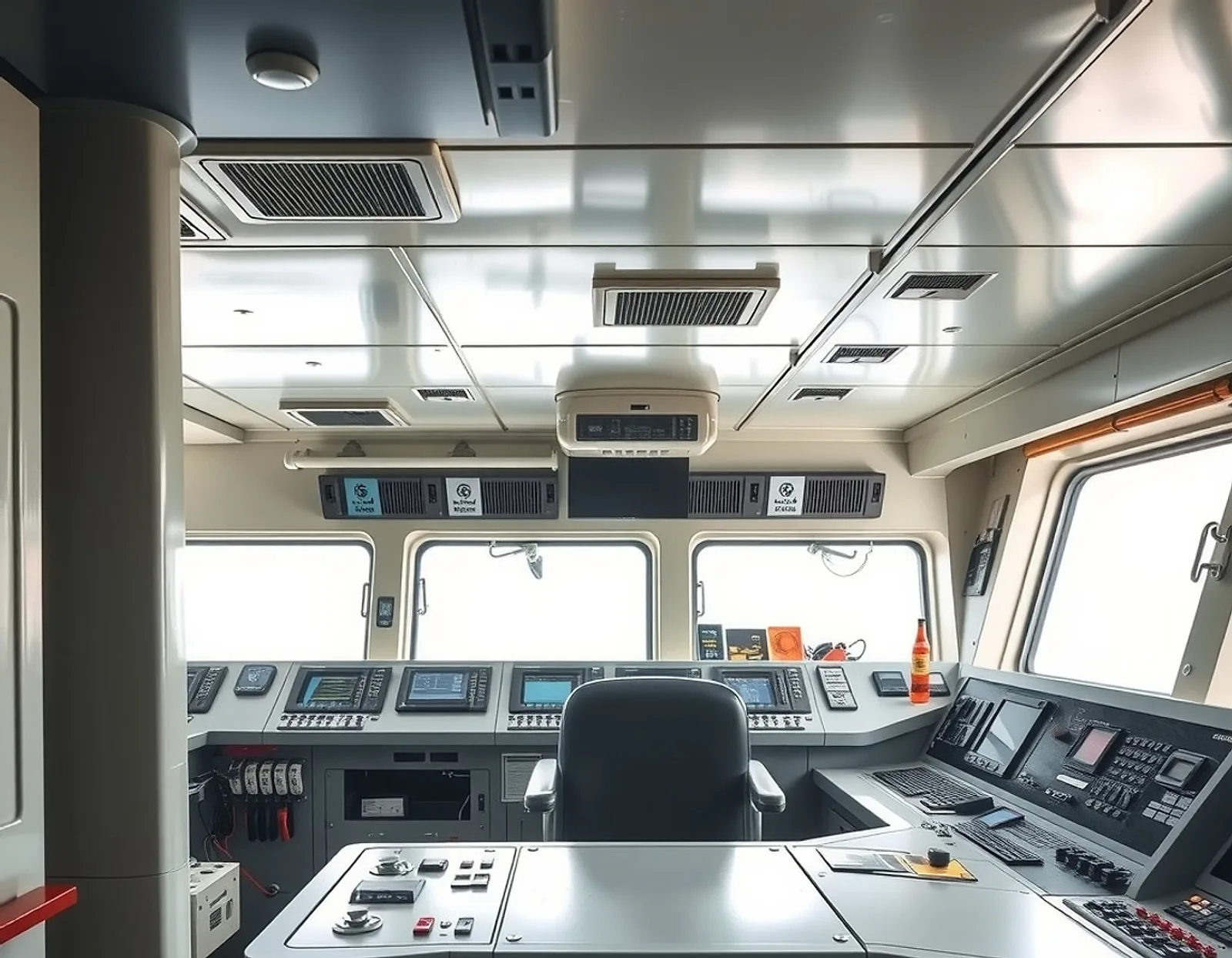
A schedule the whole ship can read
A planned maintenance system tells the crew what to inspect, service or overhaul, and when. Done well, it also shows the shore team which jobs are slipping. It is the backbone of the wider ship management picture.
- Intervals set by running hours or calendar
- Every job recorded and signed off
- Overdue items visible to ship and shore
150°The maintenance loop
Plan, do, record, review
- 01
Plan
Jobs are scheduled against running hours, dates and port stays.
- 02
Do
The crew or contractors carry out the work with the right parts.
- 03
Record
Findings, hours and parts used are logged the same day.
- 04
Review
Shore reviews trends and adjusts intervals and budgets.
180°Spares and stores
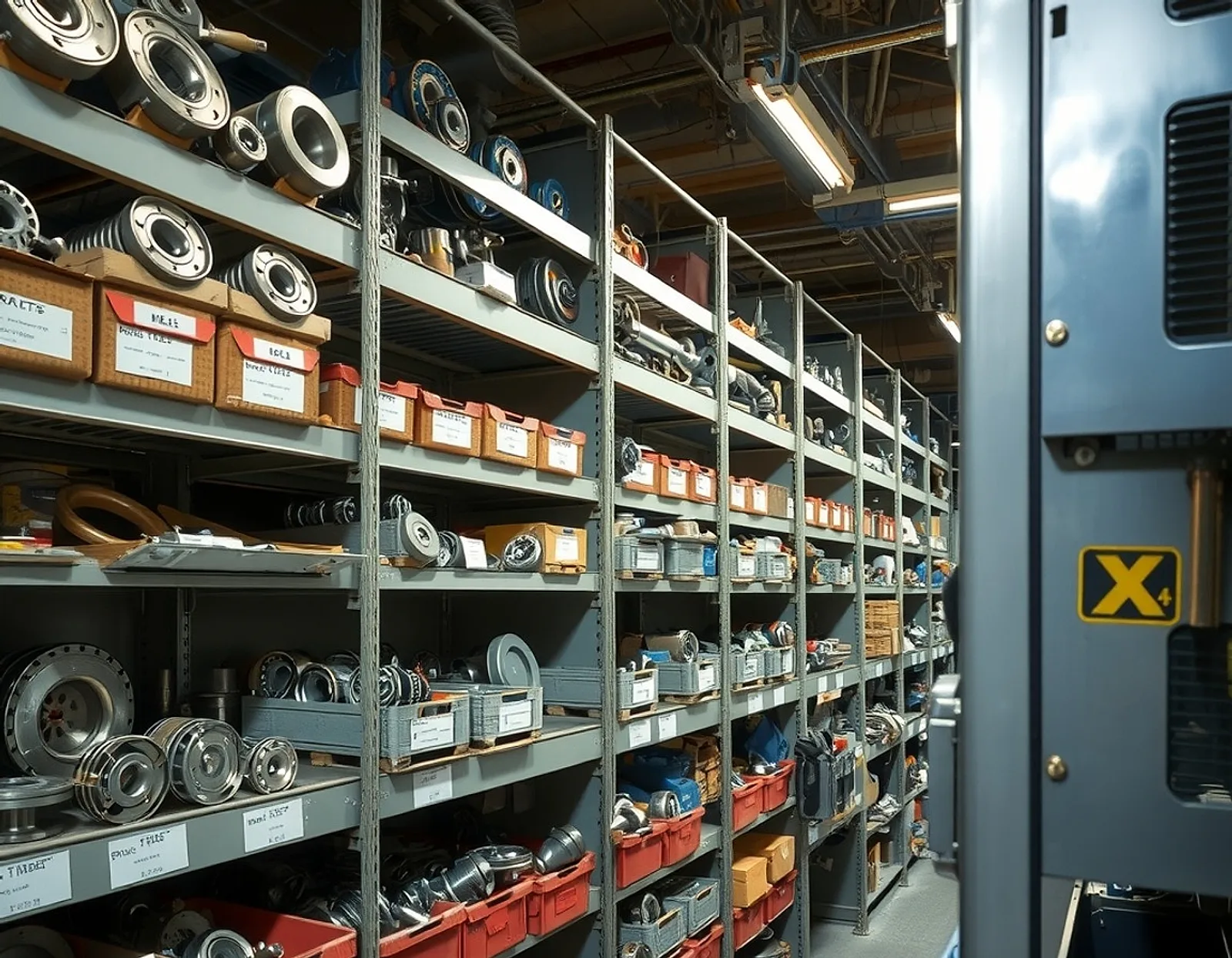
The right part, on board, before it is needed
Spare parts tie up money, but missing ones tie up the ship. A defined list of critical and routine items, with approval limits and delivery follow-up, keeps purchasing traceable. See how the same discipline supports inspection readiness.
- Critical spares identified per equipment
- Minimum and maximum stock levels
- Requisitions approved within set limits
210°Dry-docking supervision
Six phases from specification to close-out
- 01
Specification
Work list built from survey findings, history and condition.
- 02
Tender
Yard quotations obtained and compared like for like.
- 03
Pre-docking
Materials, class attendance and crew duties planned.
- 04
Docking
Work attended, measured and recorded against specification.
- 05
Variations
Extra work priced and agreed before it starts.
- 06
Close-out
Certificates, records and final accounts completed.
240°Class and flag
What gets tracked
Survey due dates
Annual, intermediate and special survey windows are tracked so none falls overdue.
Certificates
Expiry dates and renewals.
Conditions of class
Each condition followed to closure.
Statutory items
Flag requirements and equipment tests.
Records
Reports ready for inspectors.
Open defects
Raised, assigned, closed and verified, with a clear trail for every item.
270°Two ways to maintain
Planned versus breakdown maintenance
300°On site
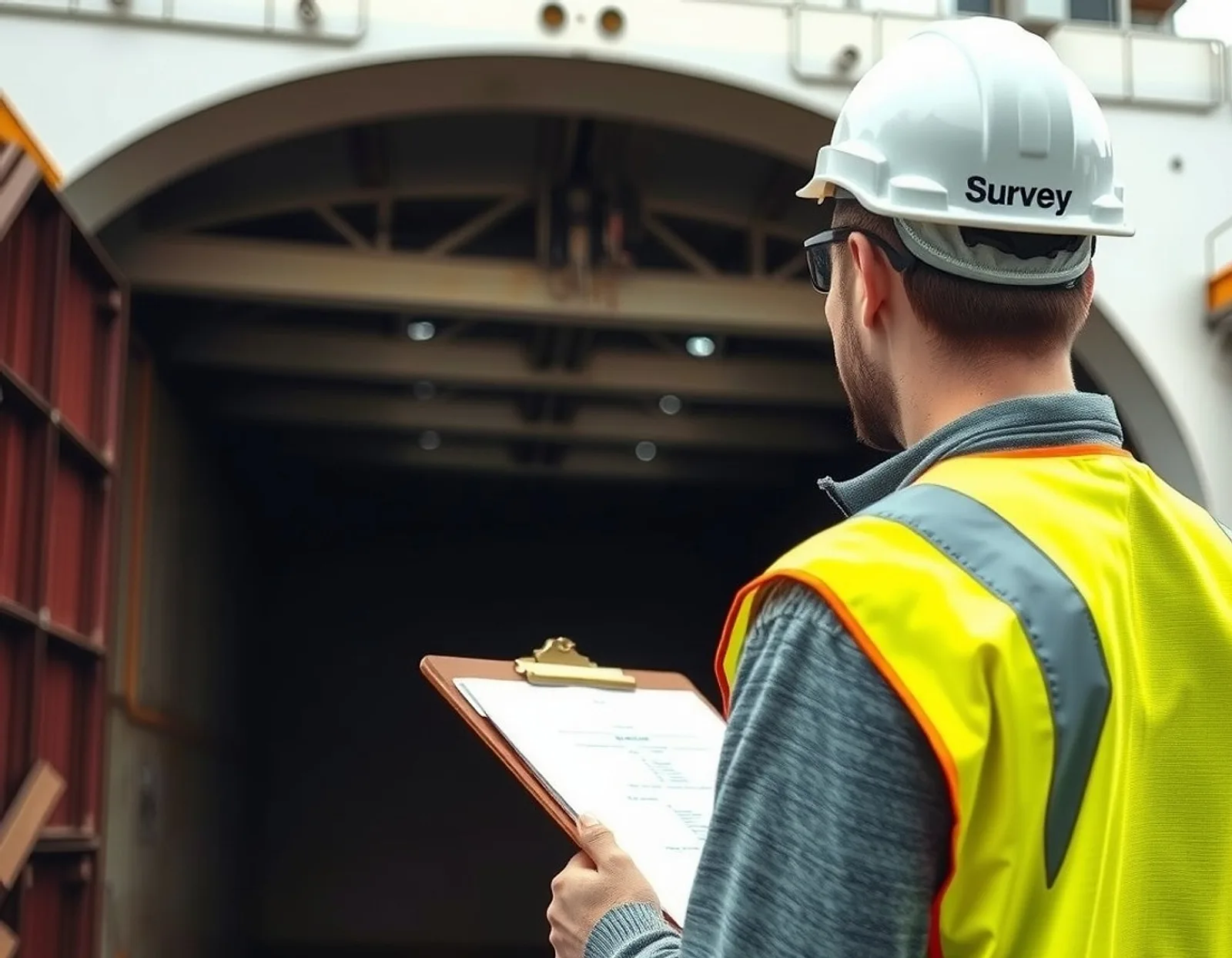
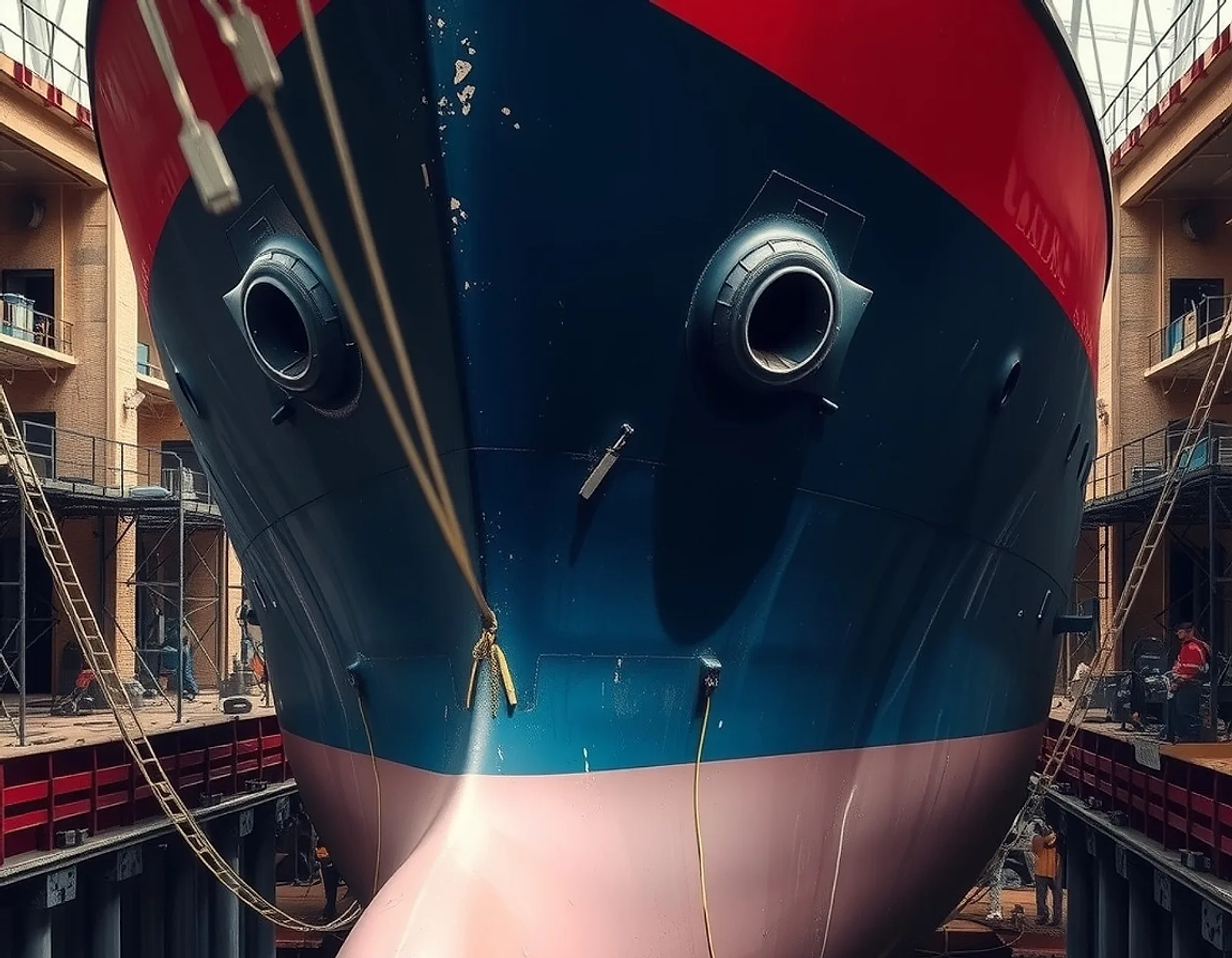
Where technical work gets done
340°FAQ
Technical management questions
Maintenance, spares, docking and class in plain language. More on the FAQ page.
01What is technical ship management?
Technical ship management is the care of the vessel as a physical asset. It covers planned maintenance, repairs, spare parts, surveys, dry-docking, inspections and liaison with class and flag administrations, with the aim of keeping the ship safe, seaworthy and compliant at the lowest sensible lifecycle cost.
02What is a planned maintenance system on a ship?
A planned maintenance system is a structured schedule that tells the crew and shore team which equipment must be inspected, serviced or overhauled, and when. It is driven by running hours or calendar intervals, records completed work, and helps prevent breakdowns by catching wear before it becomes failure.
03What does dry-docking supervision involve?
Dry-docking supervision involves preparing the work specification, obtaining and comparing yard quotations, attending the vessel during the docking, checking that work is done to specification and agreed standard, controlling variations and closing out documentation. It protects the owner's budget, schedule and the quality of hull and machinery work.
04How are spare parts and stores managed?
Spares and stores are managed through a defined list of critical and routine items, minimum stock levels and an approval process for requisitions. Good control balances having the right part on board when needed against tying up money in stock, and it keeps purchasing traceable for the owner.
05What is class and flag liaison?
Class and flag liaison means handling communication with the classification society and the flag administration on surveys, certificates, conditions of class and statutory requirements. A manager tracks due dates, prepares the vessel and paperwork, and follows up findings so that certificates stay valid and nothing falls overdue.
06How does technical management help with vetting and inspections?
Technical management helps by keeping equipment in good order, records up to date and defects closed out before an inspector arrives. Pre-inspection checks, mock walk-rounds and corrective action tracking turn inspection readiness into a routine habit rather than a last-minute scramble.
360°Set a course
Plan the next survey or docking
Share the vessel type and what is coming up. We will respond with questions and a suggested scope.